Blog

Puppy Preschool Monday 1st May 2023

Sarah Christie is a fully qualified dog trainer, hiking enthusiast, and all ’round animal lover. Ever since completing her qualification she has wanted to help families with their newest furry family member.

What you need to know about Sarah’s classes:

  • Tails, Trails, and Training puppy pre-school is based on using a reward-based training and looks to cover the following
  • How to communicate with your puppy
  • How to read your puppies cues
  • How to develop solid foundation obedience
  • The importance of socialisation
  • Small Class Sizes

Our maximum class sizes are 6 puppies, which means plenty of individual attention for you and your pup. You’re welcome to bring the whole family for the class so that everyone is on the same page for what you’re teaching your puppy.

Dates

One hour per week, over 4 weeks, commencing Monday 1 May at 6pm

Fee: $200 total (to be paid before class commences)

Location Bayswater North

Click here to register. Once you have completed the registration form Sarah will be in touch to confirm via email.

What you need to bring;

  • Your puppy
  • Flat collar and lead
  • Treat pouch and high value treats
  • Your puppies favourite toy

Keep in mind;

  • Arrive 10 minutes before class
  • Wear suitable attire and closed toe footwear
  • Family involvement in your puppies training is highly encouraged. However all children must be supervised
  • Keep your puppy on their leash at all time, unless instructed other wise by trainer
Featured post

Fun and Affective Ways to Wear Out your Puppy!

Do you have a new puppy that goes from asleep to a tiny tornado that destroys everything in its path? And you can’t take them out for walks yet as they haven’t had all there vaccinations? Well I have put together a list of activities and games to help tire out your new ball of energy and also help create a better bond with your puppy!

The first thing you can do is buy your puppy toys. There are lots of puppy safe toys for your new pet. Now the trick is to rotate your puppies toys. Breakup all the puppies toy into two (or even three) groups and every few days swap them out. This will be like Christmas for you puppy and give you a chance to wash toys.

Here are some great tips to help tire out your puppy:

  • Kong – fill the kong with puppy treats or even a little natural peanut butter and let your puppy entertain them selves. If you feel your puppy finishes it to quick try freezing kong for a longer lasting treat (also great for summer)
  • Bubbles – I have a bubble gun from Woolworths and its so much fun watching them chase the bubbles. Keeps them active and you don’t have to do much – great after work game (be mindful if your dog has allergies to soaps)
  • Snuffle mat – a snuffle mat is an oversized mat that you hide treats in. Puppy has to use there nose to search for the treats and this stimulates the pup which make them tired – yay. These can be purchased, made or I like to use natures snuffle mat – grass.
  • Play time – this might sound simple but this has so many benefits. Sit on the floor with a ‘new’ toy and make them chase the toy over your legs, throw toy a short distance and call puppy back. This game is strengthening puppies interaction with toys and there bond with you; win win.
  • Training – there are so many training activities you can do with your puppy. If your currently taking your pup to puppy classes, practise the things you’ve been doing in class at home. I love doing recall or for new pups learning there name. Find a hall way or small room that you can block off. Sit at one end of the hall and if you have someone else get them to sit the other end, have toys and/or treats and call pups and name reward when they come. This will train recall/puppies name and wear them out.
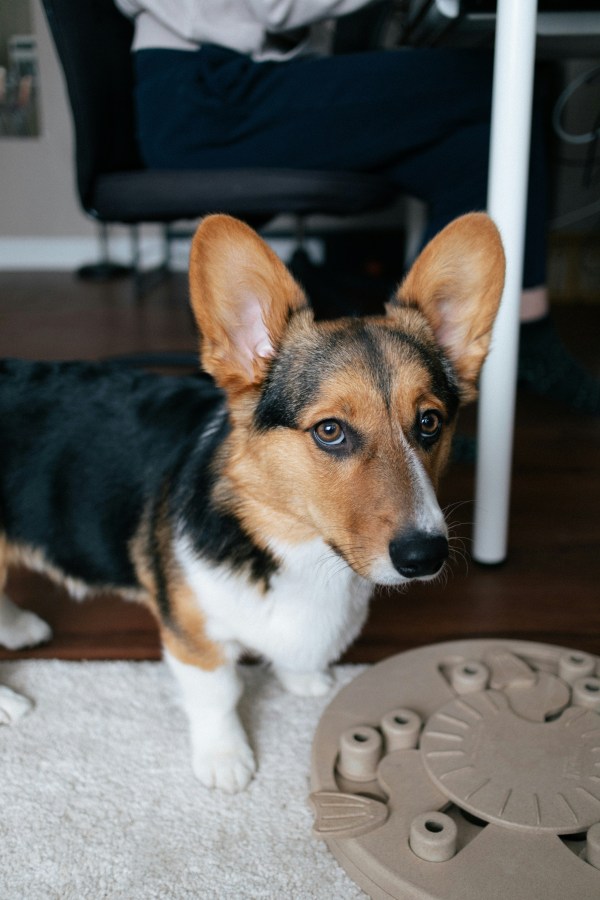
  • Puzzles – these can we bought online or made, but either way so much fun to watch your pup workout how to get the treats. I like to use their food bowl and stand toilet rolls in side, then sprinkle treats inside for them to get.

I hope these have helped you with your puppies. These also work for older dog, my 2 year Aussie still loves chasing bubbles. Let me know which one your pup likes and lets me know if you have any other activities you do.

Until next time, the treat lady. Sarah

Featured post

Start Strong with Socialisation & Basic Obedience

By Sarah Christie, Certified Professional Dog Trainer

Welcoming a puppy into your life is an exciting (and slightly exhausting!) adventure. The early weeks and months are your golden window for teaching your new best friend how to navigate the world with confidence. Let’s make the most of it.

Why Socialisation Matters

Socialisation isn’t just about meeting other dogs — it’s about positive exposure to sights, sounds, smells, people, and places. The goal is to help your puppy learn that the world is safe and fun.

  • Take them to watch kids play at the park.
  • Let them walk on different surfaces like grass, sand, and tiles.
  • Introduce them to friendly dogs who are fully vaccinated and gentle.

Basic Obedience Foundations

Start with short, fun training sessions (2–5 minutes) a few times a day. Focus on:

  • Sit – Builds impulse control.
  • Come – Essential for safety.
  • Leave it – Prevents them from grabbing dangerous or unwanted items.

Make It Positive

Use treats, praise, and play to reward the behaviours you want. Puppies learn best when they’re having fun.

Tip from Sarah: “Consistency beats perfection. Even if your puppy only learns one small thing today, you’ve made progress.”

Address Barking, Pulling, Jumping & More

By Sarah Christie, Certified Professional Dog Trainer

Most dog behaviour challenges are simply your dog’s way of communicating a need — for attention, exercise, or mental stimulation. Let’s look at some common issues and how to address them.

Barking

Identify the trigger first — is it boredom, excitement, fear?

  • Boredom barking: Increase daily exercise and introduce puzzle toys.
  • Alert barking: Teach a “quiet” cue, rewarding silence with treats.

Pulling on the Lead

Dogs pull because it gets them where they want to go faster.

  • Use a front-clip harness to give you more control.
  • Reward your dog when the lead is loose — even if it’s just for a few steps.

Jumping Up

Dogs jump to greet — it works for them!

  • Turn away when they jump.
  • Reward them for sitting or keeping all four paws on the ground.

Tip from Sarah: “Every time your dog practises an unwanted behaviour, it gets stronger. Replace it with something you do want, and reward it often.”

Games, Puzzles & Adventures

By Sarah Christie, Certified Professional Dog Trainer

Training isn’t just about commands — it’s also about keeping your dog’s mind and body active. Enrichment prevents boredom, builds confidence, and deepens your bond.

Indoor Games

  • Find It: Hide treats around the house for your dog to sniff out.
  • Shell Game: Place a treat under one of three cups, shuffle them, and let your dog choose.

Outdoor Adventures

  • Explore a new walking route.
  • Visit a dog-friendly beach or bush trail.

DIY Puzzles

Stuff a Kong toy with dog-safe peanut butter and freeze it. Roll treats into a towel and let your dog unroll it to find them.

Tip from Sarah: “Enrichment doesn’t have to be expensive. A cardboard box and a handful of treats can be the best game ever.”

Nutrition, Grooming & Safety Tips

By Sarah Christie, Certified Professional Dog Trainer

A healthy dog is a happy dog — and a well-trained dog benefits from feeling their best. Let’s talk about the basics of keeping your dog in tip-top condition.

Nutrition

Feed a balanced diet suited to your dog’s age, size, and activity level.

  • Check ingredient labels — the first ingredient should be a named protein source.
  • Avoid toxic foods like grapes, chocolate, onions, and xylitol.

Grooming

Regular grooming keeps your dog comfortable and allows you to check for skin issues or parasites.

  • Brush your dog’s coat weekly (more for long-haired breeds).
  • Trim nails regularly to prevent discomfort.

Safety

  • Keep ID tags up to date.
  • Secure your backyard and check for escape routes.
  • Buckle up with a harness or crate when travelling in the car.

Tip from Sarah: “Health, training, and happiness go hand in hand. A well-fed, well-groomed dog is more focused and ready to learn.”

Choosing the right food for your furry friend

Are you unsure about the best diet for your furry friend? With so many options available, it can be overwhelming to decide what to feed your dog. One of the most debated topics in the pet food industry is whether a complete raw diet or dried dog food is better for your canine companion. Let’s explore the key differences between the two and discuss how to choose the right food for your pet’s needs.

Understanding Dog Nutrition

Before diving into the debate, it’s essential to understand the basics of dog nutrition. According to Ann Martin, author of “Food Pets Die For,” a dog’s food should ideally be fed in its raw, natural state. Cooking dog food can lead to a loss of nutritional value. Furthermore, commercial dog foods often contain grain by-products as the main ingredient, despite dogs being designed to eat a raw diet consisting of various prey species.

Proponents of a complete raw diet argue that it closely mimics what dogs would eat in the wild. Advocates believe that feeding raw meat, bones, and organs provides essential nutrients that dogs need for optimal health. Additionally, raw diets typically contain fewer carbohydrates, which can help prevent issues like obesity and diabetes.

On the other hand, dried dog food, also known as kibble, has its drawbacks. Many commercial dog foods are loaded with preservatives, artificial colors, and excess salt to enhance palatability. These additives can lead to overeating and various health problems in dogs, such as allergies, weight gain, and digestive issues.

So, how do you choose between a complete raw diet and dried dog food for your pet? The decision ultimately depends on several factors, including your dog’s health, lifestyle, and preferences.

If your dog thrives on a raw diet and has no adverse reactions to it, sticking with that option may be the best choice. However, transitioning to a raw diet requires careful planning and consultation with a veterinarian to ensure that your dog receives all the necessary nutrients.

On the other hand, if a raw diet is not feasible for you or your dog has specific dietary restrictions, high-quality dried dog food can still provide essential nutrients. Look for brands that use natural ingredients and avoid artificial additives.

Some dogs may have sensitive stomachs or digestive issues that make it challenging to tolerate raw food. High-quality dried dog food is often easier to digest, thanks to its uniform texture and consistent ingredients. Additionally, kibble typically undergoes processing techniques such as cooking or extrusion, which can help break down nutrients and make them more accessible to your dog’s digestive system.

The market for dried dog food is vast, with numerous brands and formulations available to suit different dietary preferences and requirements. Whether your dog prefers grain-free, limited ingredient, or specialized diets for specific health conditions, you can likely find a high-quality kibble that meets their needs. Additionally, many brands offer a variety of flavors and textures to keep mealtime exciting for your pet.

Overall, high-quality dried dog food can be a convenient, nutritious, and practical option for pet owners looking to provide their dogs with a balanced diet that supports their health and well-being. As with any dietary choice, it’s essential to select a reputable brand and consult with a veterinarian to ensure that you’re meeting your dog’s specific nutritional requirements.

Choosing the right dog food involves weighing the pros and cons of a complete raw diet versus dried dog food. While both options have their benefits and drawbacks, the key is to prioritize your dog’s health and well-being. By making informed decisions and consulting with a professional, you can ensure that your furry friend receives the nutrition they need to thrive.

Complete Raw Diet vs Dried Dog Food

Source: Food Pets Die For by Ann Martin

 Basic Facts about Dog Nutrition

  • A dog’s food should never be cooked. It should be fed in a raw natural state. Cooking a dog’s food ruins most of its nutritional value.
  • The main ingredient of commercial dog food is grain by-product, despite the fact dogs are designed to eat a raw diet from a range of prey species. Grains cause a range of problems such as allergies.
  • Commercial dog foods are often laden with preservatives, colours (dyes) and salt (Up to 20 times more than a dog requires). The additives make the food more palatable so dogs will overeat. Dogs also appear to enjoy kibble so the owner feels good about feeding it and continue buying the product.
  • The vast majority of commercial dog foods contain too many carbohydrates (grain). High levels are linked to overeating, diabetes, weight gain and numerous other complaints.
  • There is no substitute for a RAW, natural diet for which the dog through evolution has chosen for itself. Only human influence has removed choice for the dog and isolated the species from its evolutionary diet. The domestic dog’s anatomy has not evolved to differ from that of the wolf…only its habitat has changed.

Blog at WordPress.com.

Up ↑