Blog

Don’t Let Your Puppy get away with these!

We all love how cute and funny puppies can be, but while it’s cute now it won’t be when they are bigger.

To train a dog out of a behaviour is not impossible but it does get harder. So I wanted to share a few examples of when and what to do when these small behaviours start and what you can do to stop or redirect these behaviours. Keeping in mind puppies are constantly learning and testing what things are and what they think we want from them. Be patient and if in doubt reach out to a dog trainer near you.

  1. Biting
  2. Jumping
  3. Barking and biting at the broom / vacuum
  4. Digging
  5. Food manners

Bitting

Puppies explore the world with their mouths, but it’s crucial to teach them bite inhibition early on. When your puppy nips, let out a high-pitched yelp to mimic the sound of a sibling in pain, then withdraw attention briefly. Redirect their chewing to appropriate toys and reward calm behavior.

Jumping

Discourage jumping by turning away and ignoring your puppy when they jump up. Only give attention and affection when all four paws are on the ground. Consistency is key, so ensure all family members and visitors follow the same protocol.

Barking and biting at the broom/vacuum

Dogs may perceive household items like brooms and vacuums as threats. Counter-condition this behavior by associating these objects with positive experiences. For example, leave the broom out and reward your puppy for calm behavior around it. Gradually introduce the vacuum in short, non-threatening sessions, rewarding calmness.

Digging

Digging can be a natural behavior for dogs, but it can become destructive if not managed. Provide plenty of physical and mental stimulation to prevent boredom. If your puppy starts digging inappropriately, redirect their attention to a designated digging area filled with sand or dirt, and praise them for using it.

Food manners

Establishing good food manners early on is essential. Use mealtime as a training opportunity by requiring your puppy to wait patiently before receiving their food. Teach them the “leave it” command to discourage begging or stealing food. Consistently reinforce desired behavior with rewards.

Remember, consistency, positive reinforcement, and patience are key when training your puppy. If you’re struggling to address any of these behaviors, seek guidance from a professional dog trainer who can provide personalized advice and support.

What is best for a dog’s digestive system?

A RAW food diet. A dog’s digestive system does not cope with grains, yet they are the major ingredient of many dog food products around the world. Grains are one of the biggest allergy sources in dogs. Many people find that when they switch to a RAW food diet, their dog’s allergies disappear.

Top breeders, caring owners and well educated vets are getting back to basics.
There is undeniable proof that commercial dog diets have caused damage to dog health internationally. While many people know it’s common sense to feed a natural diet to their dogs, a major re-education campaign is now underway to help people “discover” again the fabulous benefits of feeding their dogs a RAW natural diet.

So what about bacteria in a raw pet food diet?  It is not uncommon for pet owners who would like to feed their pets a species appropriate raw diet instead of a commercial dry or wet (canned) food to be concerned about bacteria such as salmonella in raw food. Some vets and, of course, the dry food companies, still tell pet owners that raw food is not safe for their pets. But this is not true. Raw food is just as safe as other pet food on the market. In fact, most recalls of pet food occur in commercial dry foods, not raw foods.

It is true that there are bacteria in raw meat, every raw meat for that matter, not just meat used for pet food. These are the same bacteria as in the meat you buy from the supermarket or the butcher for your meals at home. It all comes down to the proper handling of the meat to prevent these bacteria from becoming harmful.

A few simple and very easy to follow tips to handle any raw pet food:

  • Store frozen pet food at -18 °C in your freezer until you need it.  This reduces and slows any possible bacteria growth significantly.
  • Only defrost the amount you need and use it up as quickly as possible. This minimizes bacteria growth.
  • Use different utensils for your pet food and keep it away from other food in your fridge.
  • Wash all surfaces thoroughly after handling raw meat, rinse utensils and surfaces with hot, soapy water. Wash them in a dishwasher after pre-cleaning them with soapy water.
  • Wash your hands each time before and after you handle raw meat.
  • Don’t let your pet lick your face, especially around your mouth. This is not just because of any bacteria that might exist in the pet’s food but even more because you never know where you pet has sniffed and licked before.
  • Wash your hands when your pet has licked them.

From an article on that subject by Dr. Karen Becker, veterinarian, Healthy Pets Mercola:

It’s important to note that salmonella can be found in up to 36 percent of all healthy dogs and 18 percent of healthy cats regardless of the food they consume. Many pets harbor these bacteria as a part of their normal GI flora and naturally shed salmonella organisms in feces and saliva regardless of what food they eat.

All non-typhoid salmonella species are ubiquitously present in the environment and reside in the GI tracts of many animals, including pets. The fact is the majority of human salmonellosis cases are acquired through ingestion or handling of contaminated dry pet foods and treats – not raw meat. In fact, as I mentioned, there’s no known incidence of human beings being infected with salmonella by raw-fed cats and dogs.

Puppy Preschool Monday 1st May 2023

Sarah Christie is a fully qualified dog trainer, hiking enthusiast, and all ’round animal lover. Ever since completing her qualification she has wanted to help families with their newest furry family member.

What you need to know about Sarah’s classes:

  • Tails, Trails, and Training puppy pre-school is based on using a reward-based training and looks to cover the following
  • How to communicate with your puppy
  • How to read your puppies cues
  • How to develop solid foundation obedience
  • The importance of socialisation
  • Small Class Sizes

Our maximum class sizes are 6 puppies, which means plenty of individual attention for you and your pup. You’re welcome to bring the whole family for the class so that everyone is on the same page for what you’re teaching your puppy.

Dates

One hour per week, over 4 weeks, commencing Monday 1 May at 6pm

Fee: $200 total (to be paid before class commences)

Location Bayswater North

Click here to register. Once you have completed the registration form Sarah will be in touch to confirm via email.

What you need to bring;

  • Your puppy
  • Flat collar and lead
  • Treat pouch and high value treats
  • Your puppies favourite toy

Keep in mind;

  • Arrive 10 minutes before class
  • Wear suitable attire and closed toe footwear
  • Family involvement in your puppies training is highly encouraged. However all children must be supervised
  • Keep your puppy on their leash at all time, unless instructed other wise by trainer

Just a walkin’ the dog

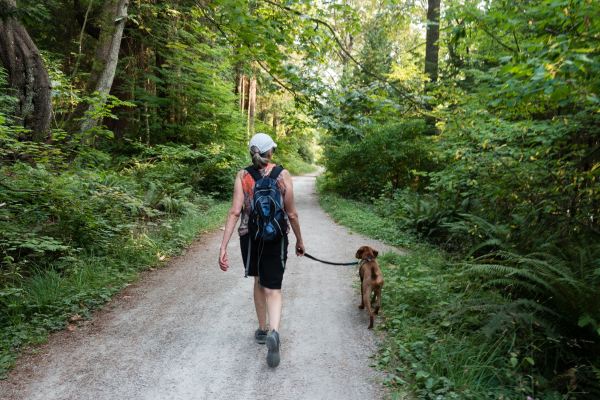
Walking your dog is about so much more than just making sure they go to the toilet. Walking your dog provides mental stimulation, physical exercise, chances for socialization, and opportunities for behavioral training. It gets both of you out and about while helping to grow the bond you have with your dog.

Remember, too, that a sedentary pooch can quickly become an overweight one, and that brings potential health problems with it. Even if your dog is active inside the home, he or she still needs another outlet for pent-up energy. You’ll benefit from having a well-exercised dog, as tired dogs tend to behave better, and you’ll help your pet avoid unnecessary weight gain!

Sometimes it can be really difficult to make sure your fur-family member gets out for a walk. Maybe you’ve got family commitments or work demands that are keeping you too busy, so much activity can leave you with a lack of energy or patience for your pet.

I offer professional dog walking services that can assist you while you’re managing a difficult time in your life.

I want my customers to feel peace of mind. A sense of relief, contentment and satisfaction from the knowledge that their dog’s needs are being met. I understand that handing over your much loved dog to a virtual “stranger” requires a huge leap of faith. Please know that I do not take the responsibility lightly.

MY SERVICE:

* I do one hour walks

* I pickup and drop off dogs (sometimes owners are home during these times, sometimes they are not and they offer me a way to collect their dog – a key, a garage remote, access to backyard etc… In most instances I have to drive short distances from the dog’s home to a natural setting of my or the owner’s choice.

* I take every dog to a natural setting away from roads and traffic. These settings include dog parks (should the owner approve and want the socialization), nature reserves and walking trails/tracks. I have chosen these settings so that the DOG ENJOYS IT and because of the SAFETY element.

* Some of my customers are short term/temporary (a few weeks if they are away or injured or otherwise unavailable for a specific amount of time). Other customers are long term ( I have been walking their dogs for months on an ongoing basis).

Please send me a message should you be interested in my services or you can follow this link to see my availability.

Day Visits, and Training, and Dog Walking oh my!

I started Tails Trails and Training in 2018. My love for animals developed similarly to that of many animal professionals, as a young child, with family pets.

I completed my Certificate iii Dog Behaviour and Training which is the highest qualification available in Australia. In addition, I have done volunteer work at Melbourne Zoo, Guide Dogs Australia, and RSPCA animal aid shelters.

Walking your dog is about so much more than just making sure they go to the toilet. Walking your dog provides mental stimulation, physical exercise, chances for socialization, and opportunities for behavioral training. It gets both of you out and about while helping to grow the bond you have with your dog.

Sometimes it can be really difficult to make sure your fur-family member gets out for a walk. Maybe you’ve got family commitments or work demands that are keeping you too busy, so much activity can leave you with a lack of energy or patience for your pet.

For more details about availability and other services check out my mad paw profile here.

Blog at WordPress.com.

Up ↑